Best Crockery for Cafes and Restaurants in India
HoReCa · Crockery Buying Guide · 2026
Best Crockery for Cafes and Restaurants in India:
Ceramic, Melamine, Bone China & Stoneware
A Complete HoReCa Buying Guide
Reading time: ~12 min
Why Crockery Is a Strategic Decision, Not Just a Purchase
▸ Crockery Materials at a Glance
Ceramic
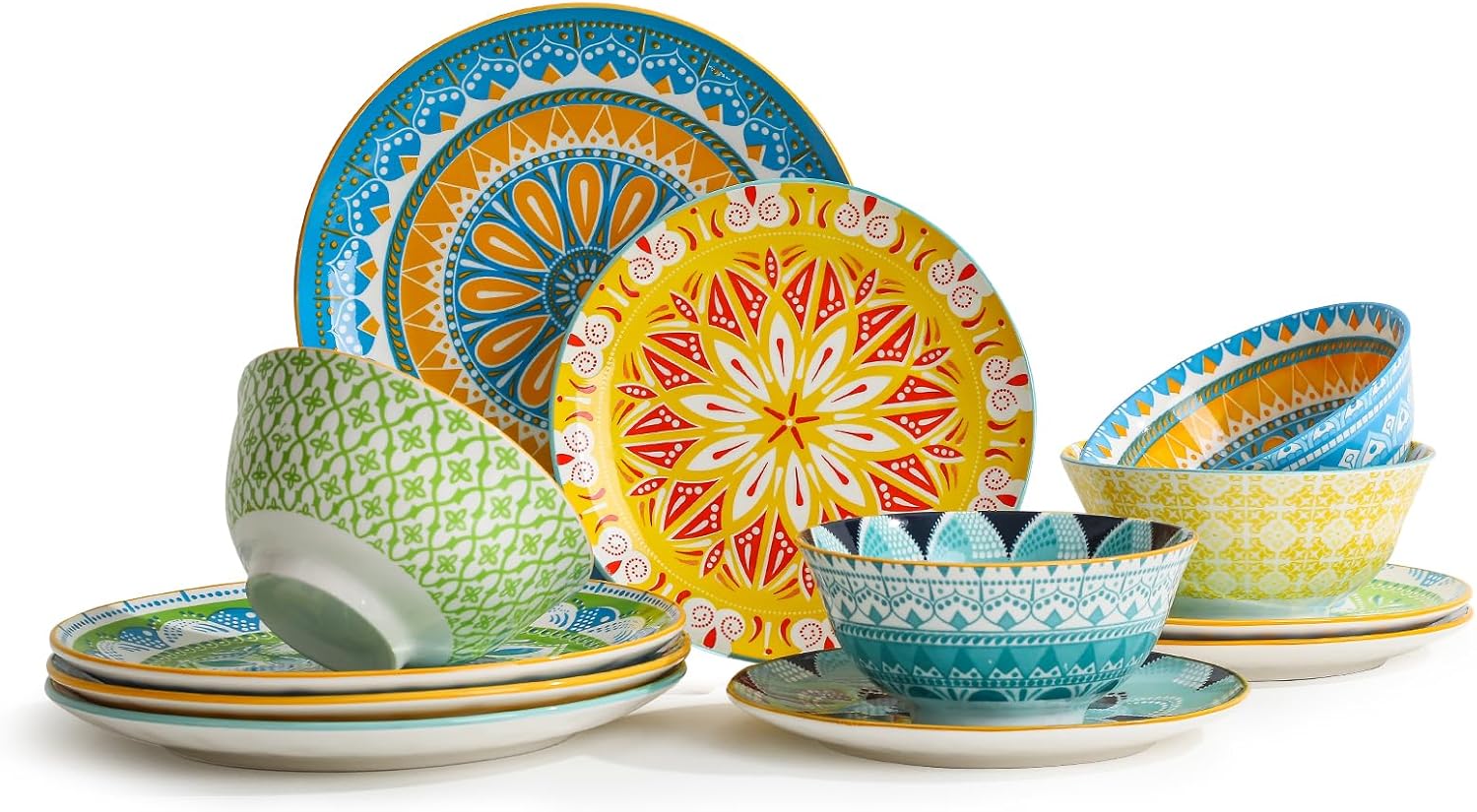
Ceramic: “Ceramic” is not a single material. It is an industry-wide term covering any hard, fired-clay product. Earthenware, stoneware, porcelain, and bone china are all ceramics. When a vendor says “ceramic crockery,” they almost always mean earthenware or low-fired stoneware, the most affordable and least durable segment. All ceramics start with clay (primarily aluminium oxide, silicon dioxide, and water) and are hardened through firing. The differences in quality, durability, and price come entirely from the clay composition, the firing temperature, and whether the body is fully vitrified (non-porous).
Stoneware
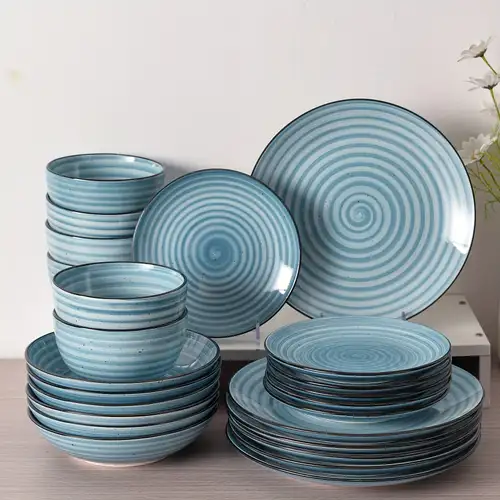
Stoneware is fired at higher temperatures (typically 1,200–1,300°C), resulting in a dense, partially or fully vitrified body that absorbs less than 3% of its weight in water, the industry benchmark for non-porous ceramic. This makes stoneware significantly more durable, stain-resistant, and easier to clean than earthenware. Stoneware’s natural earthy tones and thick, substantial feel have made it the material of choice for casual cafes, farm-to-table restaurants, and rustic-themed dining concepts. Most commercial-grade stoneware is dishwasher, microwave, and oven safe, though always confirm with the manufacturer, as sudden extreme temperature changes can cause thermal shock cracking. Stoneware is the workhorse of the mid-market cafe segment in India. It is robust, reasonably priced in bulk, and visually versatile.
Porcelain
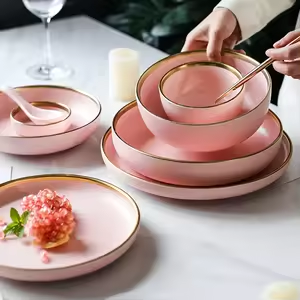
Porcelain is the premium workhorse of commercial food service globally. It is made from refined kaolin clay, feldspar, and quartz, fired at high temperatures typically between 1,300–1,400°C. This high-temperature vitrification creates a dense, non-porous, glass-like body that is exceptionally hygienic and highly resistant to scratching, chipping, and staining. Because porcelain is fully vitrified even without a glaze, it is inherently non-porous, meaning no bacteria can be absorbed into the body of the dish. Most porcelain is dishwasher, microwave, and oven safe, and it retains heat well, making it ideal for serving hot dishes at the table. Porcelain’s bright, cool white surface is the standard backdrop for professional plating, it makes colours pop without competing with the food. It is used in everything from mid-scale restaurants to five-star hotels. For most cafes in India targeting the ₹200–₹600 average check size, porcelain is the appropriate default choice.
Bone China
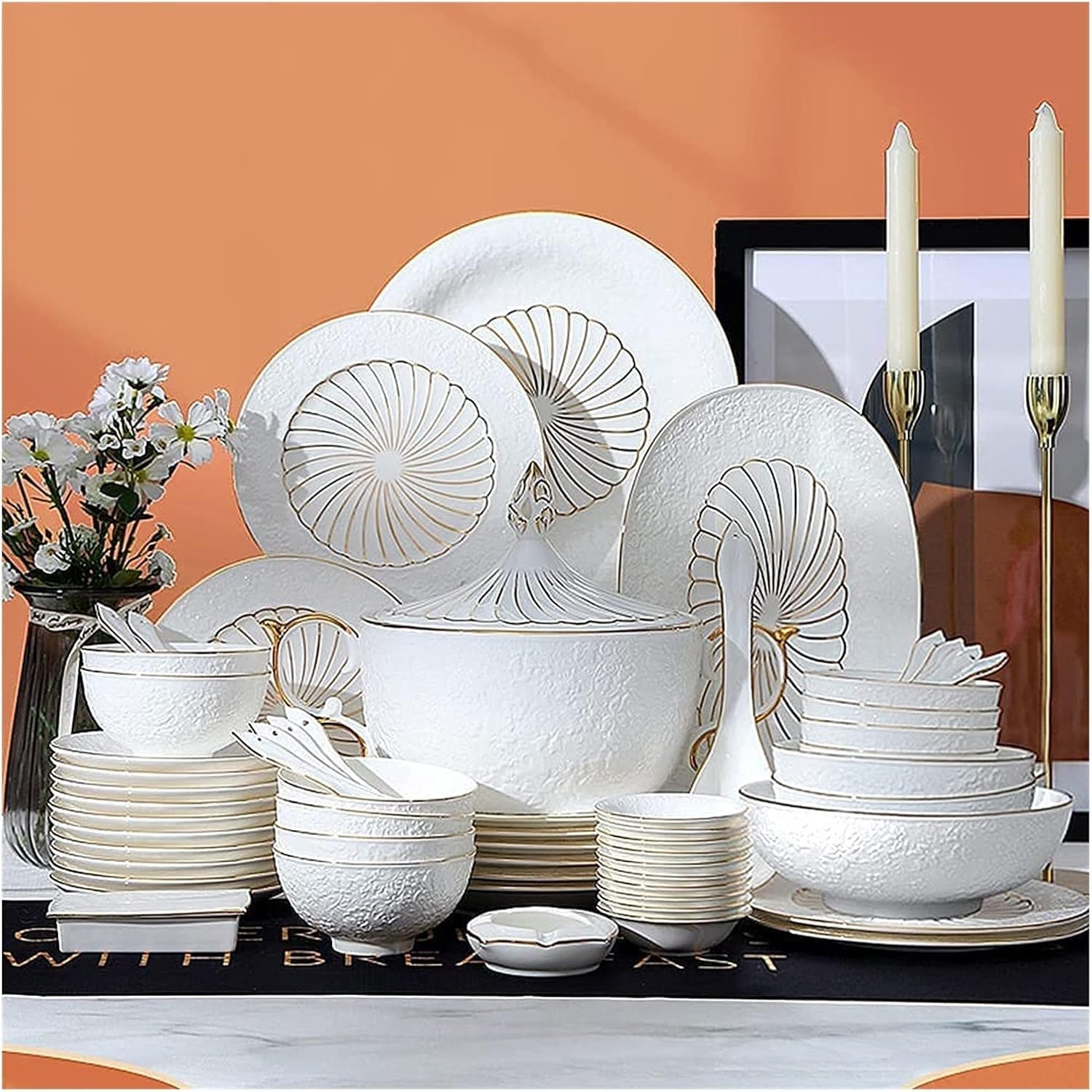
Bone china is a specific type of porcelain that contains bone ash, typically derived from calcined cattle bones, as a key ingredient, making up 25–50% of the body composition by weight (with a minimum of 30% required in the UK; 25% in the US for the bone china classification). The remaining composition is kaolin, feldspar, and quartz. The bone ash does two things: it allows the body to vitrify at slightly lower temperatures (around 1,200–1,260°C) while creating a molecular structure that is exceptionally strong and naturally translucent. The result is a piece of tableware that appears delicate and almost luminous when held to light, but is actually more chip-resistant at the rim than standard porcelain of equivalent thickness. Bone china is the preferred choice for fine dining restaurants, luxury hotels, airline first-class service, and high-end cafes where table presentation and brand perception command a premium. Its thinner profile also makes it lighter, which reduces fatigue for service staff carrying loaded trays.
Melamine (A5)
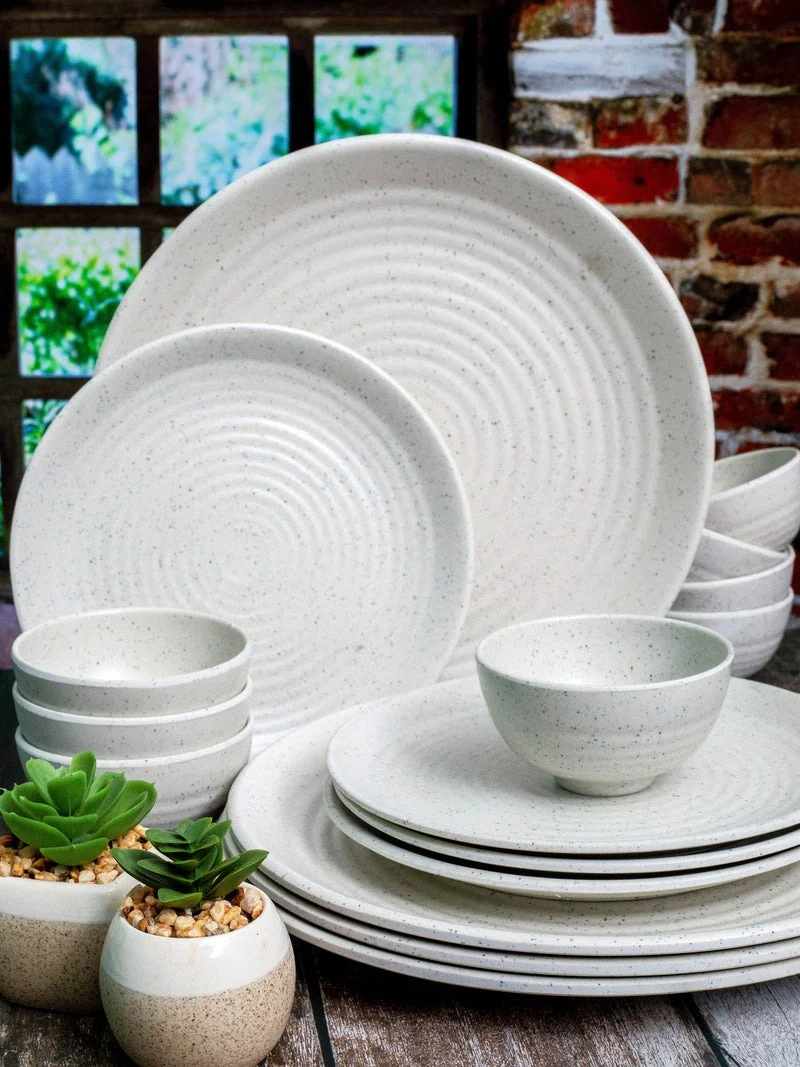
Melamine is not a ceramic. It is a thermosetting plastic, specifically, melamine-formaldehyde resin, moulded under heat and pressure into its final shape. Once set, it cannot be melted or reshaped, which gives it exceptional rigidity and impact resistance. The most important distinction in the melamine market is grade. Only A5-grade melamine (100% pure melamine resin) is considered safe for food-contact use. Lower grades, A1 or A3, are mixed with cheaper urea-based compounds and are not food-safe. When purchasing melamine for your establishment, always ask for the grade certification from your supplier.
Earthenware
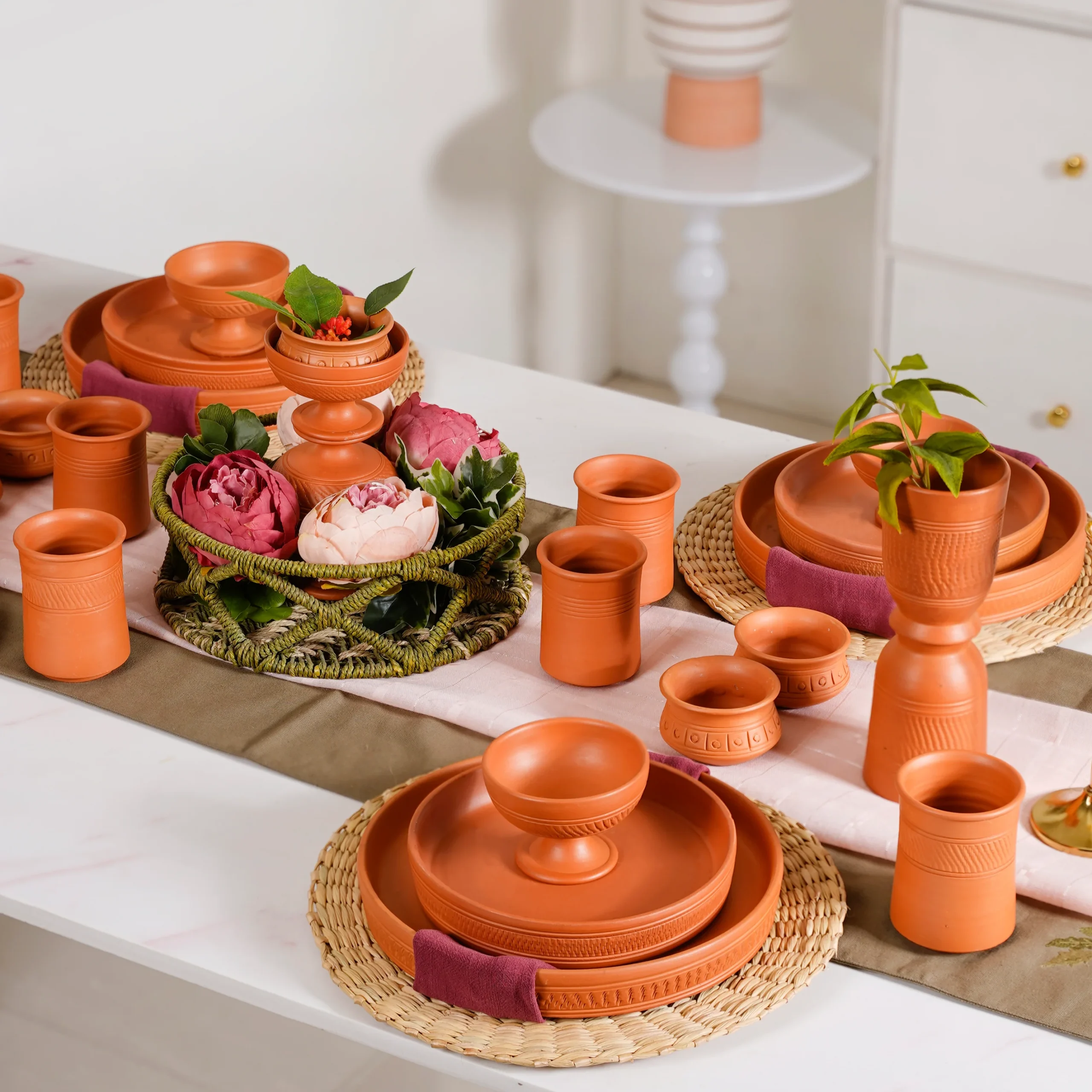
Earthenware is the most basic grade. It is fired at relatively low temperatures (around 900–1,100°C), which leaves the body porous and less durable. It requires a glaze to be food-safe. If that glaze chips, the porous surface underneath can harbour bacteria, making it unsuitable for daily commercial use. Earthenware does have a place in hospitality: themed restaurants, Mexican or artisanal concepts, or as decorative table elements. But as everyday serving ware in a high-turnover cafe, it is a poor investment. It chips easily, absorbs stains and odours, and is not dishwasher safe.
The US Food and Drug Administration (FDA) has approved melamine for food-service use under specific conditions. The FDA’s key guidance (and the most important rule for any food service operator) is: NEVER heat food in melamine dishes in a microwave oven When melamine is exposed to microwave energy or temperatures above 160°F (71°C) with acidic foods, chemical migration can increase significantly. For normal serving use, bringing food from kitchen to table, properly certified A5 melamine is safe and performs within FDA tolerance limits (TDI of 0.063 mg/kg body weight/day). But as soon as a microwave is part of your workflow, melamine is not the right material for that station.
What melamine does exceptionally well: it is virtually unbreakable compared to any ceramic material. For QSRs, canteens, food trucks, outdoor events, school cafeterias, and any high-turnover operation where dropping dishes is a routine occurrence, melamine’s impact resistance dramatically reduces replacement costs. A stack of 10 melamine plates also weighs a fraction of 10 ceramic plates, a real operational advantage for staff. Melamine can be produced in any colour, shape, or pattern. Custom logo printing is embedded during the moulding process, not painted on top, making it durable. High-quality A5 melamine is dishwasher safe (commercial dishwashers) and does not easily scratch from cutlery, though steak knives and serrated blades should be avoided.
Material Comparison at a Glance
| Material | Best For | Microwave Safe | Break Resistance | Price Range (India) | Lifespan |
|---|---|---|---|---|---|
| Porcelain | Cafes, All-day dining, Bistros | ✓ Yes | Medium | ₹80–₹400 | 5–8 years |
| Bone China | Fine dining, Luxury cafes | ✓ Yes* | High (thin-wall flex) | ₹200–₹1,200 | 7–12 years |
| Stoneware | Rustic cafes, Casual dining | ✓ Yes | High | ₹120–₹600 | 5–10 years |
| Melamine (A5) | QSR, Canteens, Outdoor | ✗ No | Very High | ₹30–₹180 | 3–6 years |
| Earthenware | Themed restaurants (décor) | ✗ No | Low | ₹40–₹200 | 1–3 years |
Matching Material to Your Cafe Model
No material is universally “best.” The right choice depends entirely on your concept, your average check size, your kitchen workflow, and your operational volume.
Matching Material to Your Cafe Model
- Profile: 40–80 covers, table service, focus on beverage quality and aesthetics. Social media visibility is important. Most food items are pastries, light snacks, sandwiches.
- Primary choice: Porcelain, Clean white surface, heat retention for hot beverages, dishwasher-compatible, professional presentation.
- Alternative for differentiation: Stoneware, Rustic matte glazes in earthy tones photograph well and create a distinctive identity.
- Cups/mugs: Porcelain or bone china for espresso cups, the weight and rim feel matters when a customer is evaluating a ₹250 cappuccino.
- Avoid: Melamine for hot beverages (heat dissipation makes drinks cool faster and it cannot be microwaved); earthenware for daily use.
- If you are building a specialty coffee brand with a premium positioning, bone china espresso cups are worth the investment. The thin rim and warm translucency communicate quality to a customer who has chosen to spend ₹300 on a flat white.
- Profile: 80–150 covers, mixed table and counter service, broad menu, moderate to high turnover. Kitchen uses microwave or salamander.
- Primary choice: Porcelain, Versatile, durable, available in varied sizes and shapes, microwave safe, consistent with food service standards.
- Side plates and dessert plates: Stoneware adds textural interest without premium cost.
- Bowls for soups and curries: Porcelain with wide, flat rim for clean plating presentation.
- Avoid: Melamine where microwave reheating is part of service workflow.
- At this check size, crockery should support your food’s presentation without being the statement piece. Consistent, clean porcelain in a neutral white or off-white gives your kitchen the canvas it needs.
- Profile: Table service, a la carte, curated tasting menus, wine pairing. Brand perception is everything.
- Primary choice: Bone china, Superior chip resistance at thin profiles, elegant translucency, lighter for tray service, photographs exceptionally well.
- Complementary: Slate or artisan stoneware for specific courses (cheese boards, dessert presentations) can create intentional contrast.
- Service ware (butter dishes, sauce boats, bread plates): Matching bone china set for cohesion.
- Avoid: Melamine in any guest-facing position; earthenware as primary serving ware.
- For fine dining, the crockery is part of the story. Bone china’s ability to show intricate overglaze designs with rich colour depth makes it the preferred canvas for high-end plating. The investment is justified by reduced breakage costs (bone china’s chip resistance is exceptional for its weight class) and by the direct impact on perceived value.
- Profile: Very high volume, fast table turns, limited staff per cover, rough handling environment.
- Primary choice: A5-grade melamine, Break resistance dramatically reduces replacement costs; lightweight allows faster table clearing; custom colours and branding available.
- Alternative: Heavy-gauge porcelain with rolled rims if microwave reheating is required.
- Avoid: Bone china (cost and fragility unsuited to volume); thin-walled earthenware (chips immediately in stacking).
- The economics are straightforward: if you are serving 300+ covers a day with limited trained staff, melamine’s near-zero breakage rate is a genuine operational advantage. Replace a broken porcelain plate every week or use melamine plates for 3–5 years. The math is clear.
- Profile: No fixed service point, transport involved, outdoor environment.
- For sit-down service: Melamine is the only practical choice for reusable ware.
- For takeaway-heavy operations: High-quality biodegradable disposables (bagasse, kraft board) eliminate the crockery problem entirely and reduce operational weight.
- If you want to serve in reusable ware at events: Melamine with secured storage prevents breakage during transit.
- Profile: In-room dining, all-day dining (ADR), fine dining restaurant, banquet/catering, pool bar. Multiple concepts under one roof.
- In-room dining (tray service): Porcelain, dishwasher safe, microwave compatible, stackable, durable.
- Fine dining restaurant: Bone china, see section 4.3.
- ADR / coffee shop: Porcelain or high-quality stoneware.
- Banqueting / events: Porcelain (high volume, bulk purchase, standardised sizes simplify logistics).
- Pool bar or outdoor seating: Melamine, safety issue with glass and ceramic around pools; melamine is the industry standard.
Quantity Planning: Par Levels & Breakage
- Custom crockery, with your logo, brand colour, or custom pattern, is available through several Indian manufacturers.
- For melamine, the custom decal is embedded during moulding.
- For ceramic and porcelain, decals are fired onto the glaze surface.
- Custom orders require longer lead times (typically 45–90 days for first production run) and higher MOQs.
- Factor this into your pre-launch timeline.
- A common mistake is buying exactly the number of pieces equal to your seating capacity. This creates an operational bottleneck and leaves you vulnerable to service disruption from breakage.
- The standard industry practice for calculating crockery quantity:
- Par level: 2.5x to 3x your seating capacity for plates, bowls, and cups.
- Example: 40-cover cafe: 100–120 dinner plates, 100–120 side plates, 100–120 cups and saucers.
- Breakage buffer: Budget for 10–15% additional stock at initial purchase for ceramic materials. For melamine, breakage buffer can be reduced to 3–5%.
- High-velocity items: Coffee cups and espresso cups cycle faster than plates, plan for 3.5x+ for beverages.
- Tracking your replacement rate after the first three months of operation gives you a baseline for your quarterly reorder.
- Industry benchmarks suggest 2–3% annual replacement for well-managed ceramic crockery and under 1% for melamine.
- Higher than this indicates a staff handling or storage issue worth addressing.
🛒 Shop Crockery on Prockured
India’s B2B HoReCa procurement platform
Frequently Asked Questions
Straight answers about crockery materials