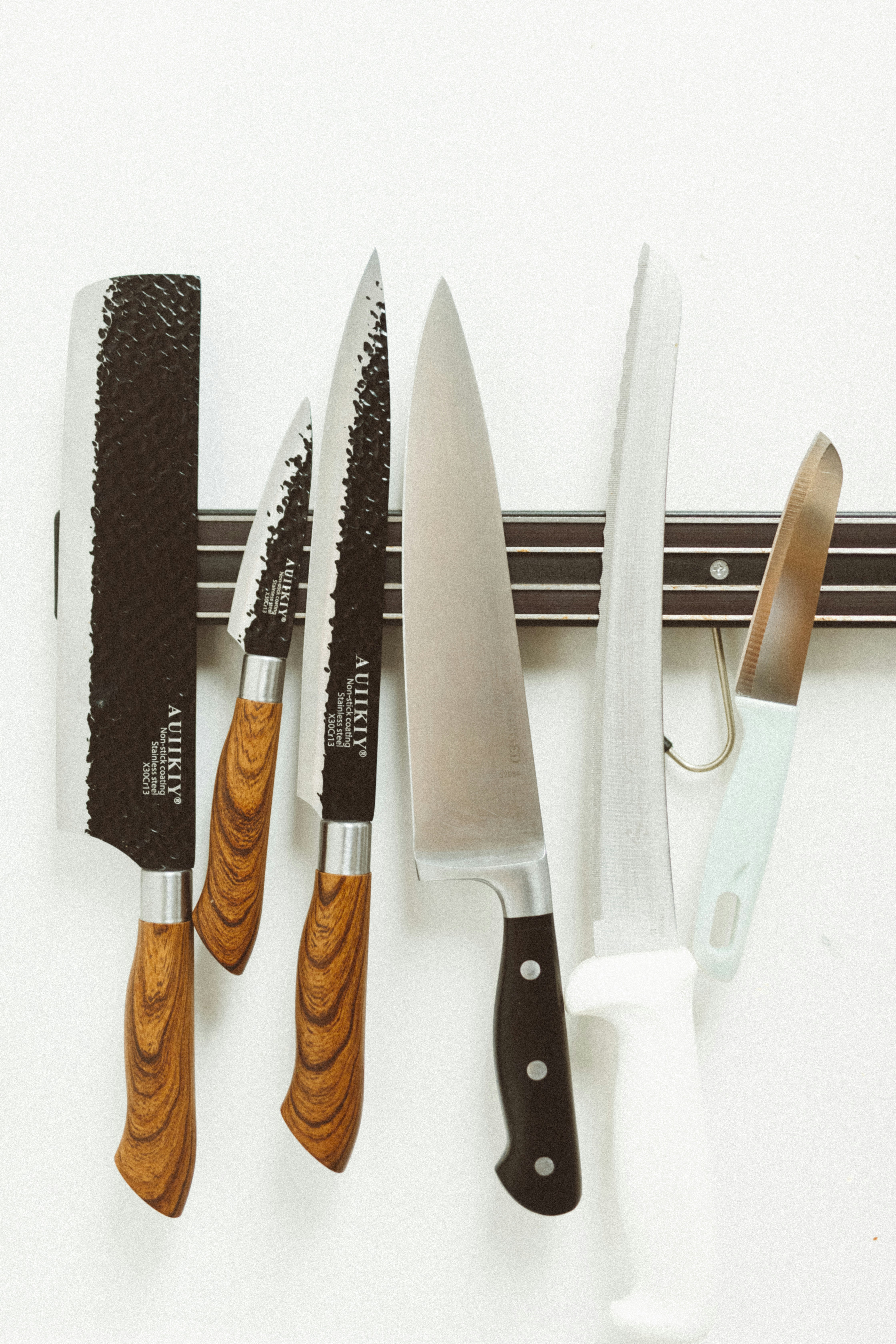
Introduction to Kitchen Knives
Kitchen knives are essential tools in any culinary setting, playing a pivotal role in food preparation. The importance of a good kitchen knife cannot be overstated; these instruments are designed to perform a variety of tasks, from slicing vegetables to carving meats, each purpose necessitating a specific type of knife. The right knife not only enhances efficiency in the kitchen but also contributes to a safer cooking experience.
There are several types of kitchen knives, each engineered for precise tasks. For example, chef’s knives, known for their versatility, are suitable for chopping, dicing, and mincing. Paring knives are ideal for intricate tasks like peeling and trimming, while serrated knives are preferred for slicing bread and other foods with a hard exterior and soft interior. Understanding the array of knife types available allows cooks to choose the most appropriate one for their culinary needs.
The assortment of kitchen knives does not end with just functionality; they also come in various styles and designs that can add a personal touch to the kitchen. For instance, knives may vary in blade material such as stainless steel, carbon steel, or ceramic, each imparting unique advantages like durability, sharpness, and resistance to corrosion. Additionally, handles are designed for comfort and grip, with materials ranging from plastic to wood, allowing cooks to select knives that feel right in their hands.
As we delve deeper into the world of kitchen knives, it becomes evident that they are more than just mere implements; they are an extension of the cook’s skills and creativity. Whether one is a professional chef or a casual home cook, the right kitchen knives are indispensable for elevating culinary experiences.
Types of Kitchen Knives
Kitchen knives are essential tools for culinary enthusiasts and professionals alike, and understanding the various types can significantly impact food preparation efficiency. Among the most commonly used knives are chef’s knives, paring knives, serrated knives, and specialty knives.
A chef’s knife is a versatile tool, typically ranging from 6 to 12 inches in length. Its wide blade is ideal for chopping, slicing, and dicing a variety of ingredients. The most effective chef’s knives are made of high-carbon stainless steel, providing durability and resistance to staining.
Next, the paring knife is smaller, usually measuring around 3 to 4 inches in length. It is primarily used for intricate tasks such as peeling fruits and vegetables and other precise operations. Sleek and maneuverable, paring knives can also be found in different blade shapes, including straight and curved.
Serrated knives, often referred to as bread knives, feature a saw-like edge that allows for cutting through crusty or delicate surfaces without squashing the interior. They typically come in lengths ranging from 8 to 10 inches and are perfect for slicing bread, cakes, or tomatoes. The teeth of the serrated blade proficiently grip the surface of the item, facilitating a clean cut.
Lastly, specialty knives encompass a wide range of tools designed for specific tasks. This category includes boning knives for filleting fish or removing bones from meats, cleavers for chopping through bones, and fillet knives for delicate fish preparation. Each of these specialty knives has unique dimensions and blade shapes crafted for its intended use, enhancing functionality in the kitchen.
Understanding the different types of kitchen knives not only aids in selecting the correct tool for a job but also elevates the overall cooking experience. A well-organized kitchen knife collection can cater to the varied needs of both professional chefs and home cooks.
Knife Construction: Materials and Design
The construction of kitchen knives is a critical aspect that determines their performance, durability, and overall user-friendliness. Common materials used in the manufacturing of knife blades include stainless steel, carbon steel, and ceramic, each with its unique characteristics.
Stainless steel is renowned for its corrosion resistance, making it a popular choice among home chefs and professionals alike. It is relatively low maintenance and retains sharpness well under normal conditions. However, the durability can vary; lower-grade stainless steel may dull more quickly than higher-end options, and it can be less easy to sharpen when compared to carbon steel.
Carbon steel, on the other hand, is favored for its superior edge retention and ease of sharpening. It develops a natural patina over time, which can enhance its resistance to corrosion. Nonetheless, carbon steel knives require more upkeep to prevent rust and staining, necessitating a careful cleaning and drying process after each use.
Ceramic knives offer a different alternative; they are lightweight, extremely sharp, and resistant to oxidation. They do not corrode or stain, making them convenient for everyday use. However, the brittleness of ceramic can lead to chipping or breaking if dropped or used improperly, thus affecting their longevity.
In addition to material considerations, knife design elements, such as blade shapes and edge types, play a significant role in knife functionality. Popular blade shapes include the chef’s knife with its curved edge for rocking cuts and the paring knife, known for its precision handling. Edge types, ranging from straight to serrated, serve specific purposes; a serrated edge excels at slicing through crusty bread while a straight edge is optimal for clean cuts on vegetables.
Finally, handle designs significantly affect ergonomics and user comfort. Handles can be constructed from wood, plastic, or metal, each offering different tactile feedback and grip styles. The right handle can facilitate a secure grip, promoting greater control and reducing the risk of accidents during slicing and dicing activities.
Essential Knife Accessories for the Kitchen
When it comes to the culinary arts, having the right kitchen knives is only part of the equation; essential knife accessories play a vital role in ensuring that these tools are effectively maintained and safely used. Proper care and the use of complementary tools can significantly enhance the performance and longevity of any knife.
One of the most important accessories for knife maintenance is the knife sharpener. Regularly sharpening knives not only keeps them efficient but also reduces the risk of accidents that may arise from using dull blades. There are various types of sharpeners available, including manual, electric, and honing systems. Each option offers different benefits, but the key is to choose one that fits the user’s skill level and knife type.
In addition to sharpeners, honing rods are essential for maintaining a knife’s edge between professional sharpenings. While a sharpener removes material to reshape the cutting edge, a honing rod simply realigns the edge, allowing for smoother and safer cuts during food preparation. Incorporating honing into the regular maintenance routine can prolong the time needed between sharpenings.
Cutting boards are another fundamental accessory. Not only do they provide a stable surface for cutting, but they also protect the knife’s blade from damage. Selecting a high-quality cutting board made from materials such as wood or plastic can influence the knife’s longevity. It is advisable to avoid glass or ceramic boards as they can dull the knives more quickly.
For knife storage, options like knife blocks and magnetic strips provide both safety and accessibility. A knife block keeps knives organized and protected from dulling, while a magnetic strip offers a convenient display option that allows for easy access. Lastly, protective sheaths are crucial for safely storing individual knives, especially during travel or in overcrowded drawers, as they reduce the risk of accidental cuts and blade damage.
To summarize, investing in essential knife accessories can greatly enhance both the functionality and safety of kitchen knives. From sharpeners and honing rods to cutting boards and storage solutions, these tools are indispensable for any serious chef or home cook who values their knife collection.
Maintaining Your Kitchen Knives
Proper maintenance of kitchen knives is crucial for extending their lifespan and ensuring optimal performance during food preparation. One of the primary components of knife maintenance is regular cleaning. After each use, it is necessary to hand wash the knives with warm, soapy water, avoiding the dishwasher, which can cause chipping or dulling of the blade. Make sure to dry the knives immediately with a soft cloth to prevent rust or corrosion, especially for high-carbon steel knives.
Sharpening techniques are also essential for maintaining the sharpness of kitchen knives. A dull knife is not only less efficient but can also be more hazardous, leading to accidental slips and cuts. There are several methods for sharpening knives, including using a whetstone, honing rod, or electric sharpener. Using a whetstone requires a degree of skill; however, it yields very satisfying results, while honing rods are useful for regular maintenance to realign the blade’s edge without removing significant material. For those seeking convenience, electric sharpeners offer a quick solution, though they may not provide the same edge quality as manual methods.
Proper storage of kitchen knives is another vital aspect of maintenance. Storing knives in a drawer without protection can lead to dulling and damage. A wooden knife block, magnetic strip, or protective sheaths are excellent options for keeping knives secure and accessible while preventing blade damage. By implementing these maintenance tips—regular cleaning, appropriate sharpening techniques, and proper storage—home cooks can protect their kitchen knives and enhance their culinary experience.
Choosing the Right Knife for Your Cooking Style
When it comes to selecting the optimal kitchen knife, it is essential to align your choice with your specific cooking style and frequency. Different knives serve varying purposes, and understanding your culinary needs can significantly enhance your cooking experience.
For individuals who frequently engage in meal preparation or enjoy exploring different cuisines, investing in a versatile chef’s knife is vital. This type of knife can handle various tasks, from chopping vegetables to slicing meats, making it an indispensable tool in the kitchen. A good chef’s knife generally ranges from 8 to 10 inches in length, providing the balance needed for everyday use.
On the other hand, if you primarily prepare a particular type of dish, such as bread, sushi, or delicate herbs, specialized knives might be more appropriate. A serrated knife, for instance, excels at slicing through crusty bread without squishing it. For those who often prepare fish, a sashimi knife’s flexible blade can create thin, precise cuts. Identifying the types of dishes you typically cook will guide you in choosing the perfect knife for those tasks.
Another crucial factor to consider is your own comfort and grip preferences. Some individuals prefer lighter, more agile knives, while others might favor heftier options that provide more control. It is helpful to visit a store to physically handle different knives to determine which fits comfortably in your hand. Additionally, pay attention to the blade material, as high-carbon stainless steel is commonly lauded for its sharpness and ease of maintenance.
Ultimately, selecting the right kitchen knife should reflect your cooking habits and personal preferences, ensuring that you have the best tools at your disposal to elevate your culinary skills.
The Colorful World of Kitchen Knives
Kitchen knives are not merely functional tools; they are also objects of personal expression that can reflect the chef’s style and preferences through their color and finish. The range of hues available in modern kitchen knives offers a vibrant spectrum that can enhance the aesthetics of any culinary space. From classic stainless steel to bold ceramic finishes, the options are diverse and cater to various tastes.
The color of kitchen knives can indicate not only personal taste but also specific brand identities and product lines. For instance, brands often employ distinctive colors in their products to create a unique identity or to signify a particular line of knives. Brightly colored handles, for example, are often seen as playful and appealing, particularly for amateur cooks who wish to bring fun into their kitchen attire.
Moreover, certain colors might also suggest specific functions or characteristics. Knives with black or darker handles are frequently associated with professional culinary settings, as they project an image of sophistication and seriousness. Alternatively, a knife with a vibrant hue can be indicative of ergonomic designs aimed at comfort and ease of use, which can appeal to beginners looking for approachable kitchen tools.
Incorporating colorful kitchen knives into your culinary collection can not only enhance the functionality of your tools but also introduce a splash of personality into your kitchen. The right color combination can enliven the environment and stimulate creativity while preparing meals. This aspect of kitchen knives, while often overlooked in favor of their practical features, demonstrates the balance between function and style that is increasingly sought after in contemporary culinary spaces.
Trends in Kitchen Knives and Accessories
The culinary landscape has experienced significant evolution in recent years, particularly in the realm of kitchen knives and their accompanying accessories. Innovative designs and cutting-edge materials have reshaped how knives are viewed and utilized in the kitchen. One notable trend is the integration of advanced materials, such as high-carbon stainless steel and ceramic composites, which not only enhance durability but also improve the aesthetic appeal of knives.
In addition to material advancements, there has been a notable rise in the popularity of personalized and custom kitchen knives. Consumers are increasingly seeking unique pieces that reflect their individual styles and preferences. Brands now offer options for personalized engravings, custom handle designs, and bespoke blade shapes, allowing for a blend of functionality and personal expression in kitchen tools.
Another emerging trend within the kitchen knives market is the shift towards eco-friendly materials. As sustainability becomes a core value for many consumers, knife manufacturers are exploring alternatives such as recycled metals, bamboo handles, and biodegradable packaging. These eco-conscious choices are appealing to a growing demographic that prioritizes environmental responsibility while fulfilling their culinary needs.
Notably, brands that have embraced innovative designs and eco-friendly practices have gained significant traction in the market. Established names continue to lead, but newer companies focusing on artisanal craftsmanship and sustainable production practices are gaining recognition. This shift presents both opportunities and challenges for traditional manufacturers as they navigate this evolving landscape.
Overall, the trends in kitchen knives and accessories point towards a future where functionality, personalization, and sustainability coexist, shaping not only how we cook but also how we connect with our culinary tools.
Conclusion and Final Thoughts
In conclusion, selecting the right kitchen knife is pivotal in enhancing your cooking experience. From the versatile chef’s knife to the precise paring knife, each type serves a unique purpose and can significantly impact food preparation efficiency. It’s essential to recognize that different kitchen knives are tailored to various tasks, ensuring that regardless of your culinary ambitions, you have the appropriate tools at your disposal.
Accessories such as honing steels, knife blocks, and cutting boards play an equally important role in maintaining the longevity and effectiveness of your kitchen knives. Proper care and storage not only preserve their sharpness but also contribute to overall kitchen safety. Ensuring that your knives are well-maintained allows you to achieve optimal results every time you engage in food preparation.
The wide array of colors and designs available in kitchen knives also adds a personal touch to your culinary toolbox. Choosing aesthetically pleasing options can make the cooking process more enjoyable while still fulfilling functionality requirements. This diverse selection empowers you to express your personality within the kitchen, making it a more inviting place for experimentation and creativity.
Ultimately, embarking on your culinary journey with the right kitchen knives and accessories tailored to your needs can lead to greater success and satisfaction. We encourage you to delve into the offerings available in the market, taking the time to identify which tools resonate with your cooking style. Whether you are a seasoned chef or an enthusiastic home cook, investing in quality kitchen knives is a step toward culinary excellence.